Service 09 / Denver & Front Range
Road Paving, Resurfacing & Repair Across the Front Range
MD Asphalt Company builds and rehabilitates asphalt roads across the Front Range for municipalities, counties, HOAs, private communities, and industrial properties. Our road scopes connect grading, drainage, base preparation, paving, milling, transitions, and traffic planning so the finished corridor performs as one system. From subdivision streets and private access roads to worn municipal routes and mountain corridors, we match the method to the pavement condition, operating constraints, and long-term use. That may mean new construction, a controlled mill-and-overlay, targeted repairs, or a phased road program that keeps essential access moving during the work.
Why it matters
A strong surface is a system—not just a top layer
Coordinate grading, drainage, base, and asphalt as one road system
Renew worn corridors while preserving serviceable structure
Phase work around residents, public traffic, and site operations
Create durable access for municipal, community, and industrial use
Build from the base up
Asphalt Road Construction
New asphalt roads depend on the structure below the driving surface. MD Asphalt coordinates layout, clearing limits, grading, drainage, aggregate base, proofing, asphalt lifts, compaction, tie-ins, and final transitions for subdivision streets, private-community roads, municipal access, and industrial routes. Traffic type and expected loading influence the recommended section, while existing utilities, slopes, water movement, and adjoining roads shape the field sequence. The result is a road scope built around how the corridor will actually be used, with base preparation and drainage treated as long-term performance decisions rather than hidden steps beneath the asphalt.
Renew a serviceable roadway
Road Resurfacing & Overlays
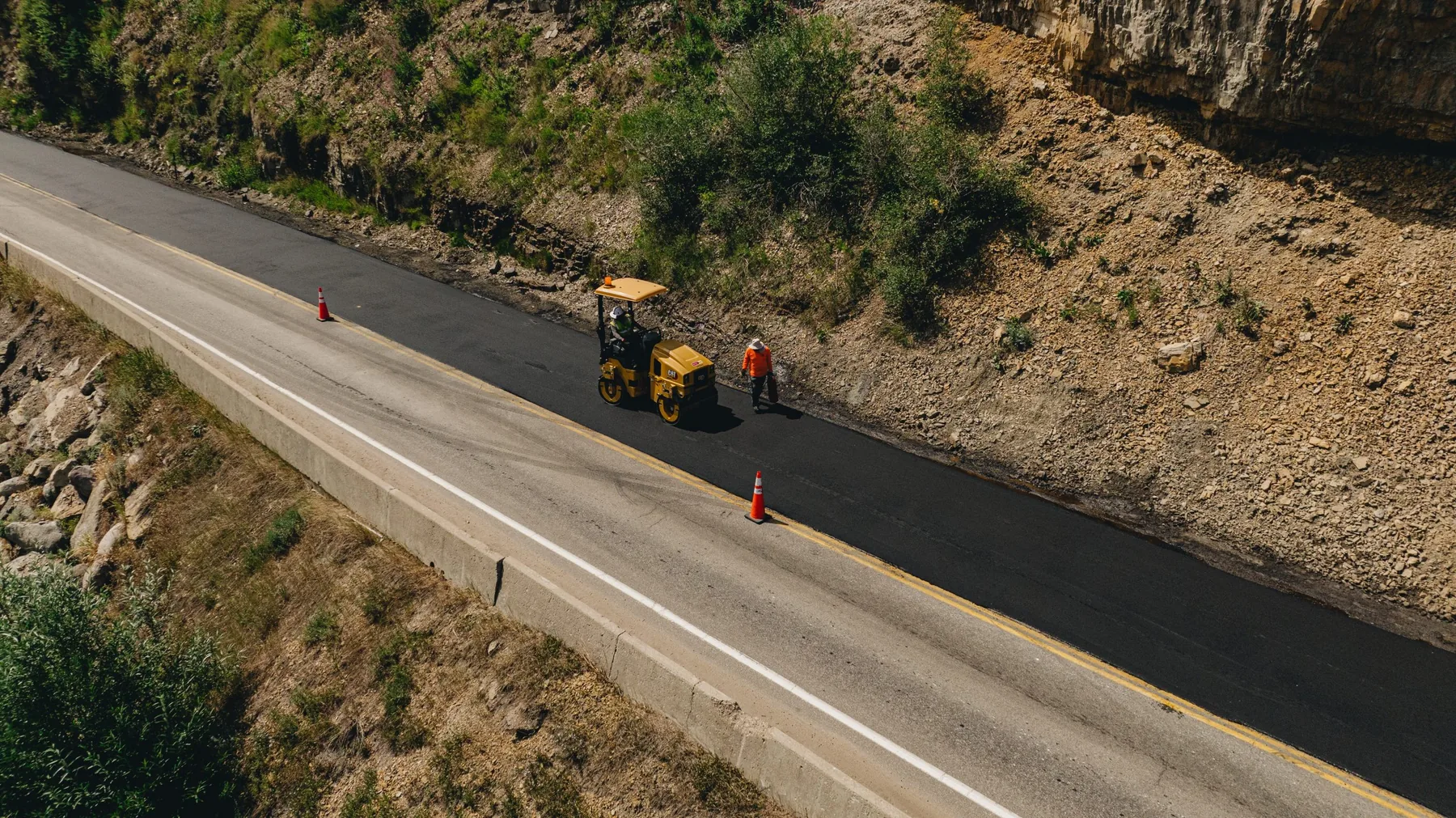
A road with a worn surface does not always need complete reconstruction. When the supporting pavement and base remain serviceable, a mill-and-overlay can remove distressed material, restore elevations, correct transitions, and place a new wearing surface with less demolition. MD Asphalt evaluates cracking patterns, rutting, drainage, edges, structures, utility covers, adjoining lanes, and previous patches before recommending an overlay. Targeted repairs may be completed first, then milling creates a controlled profile for new asphalt. Phasing and traffic planning keep municipal, HOA, and private access needs part of the resurfacing decision from the beginning.
Keep routes serviceable
Road Repair & Pothole Programs
Recurring potholes and isolated roadway failures are easier to manage when they are documented and prioritized instead of handled only as emergencies. MD Asphalt can organize repair scopes for municipalities, HOAs, private communities, and industrial sites by location, severity, traffic exposure, base condition, and access risk. Full-depth patches address structurally failed zones, while appropriate cracks and edges may need preventive treatment before water reaches deeper layers. A planned program also helps owners group mobilization, coordinate traffic control, and distinguish immediate repairs from corridors that should move into resurfacing or future reconstruction budgets.
Public and private partners
Who We Pave Roads For
Road projects serve different users, but every owner needs a clear scope, safe access plan, and durable handoff. MD Asphalt works with municipalities and counties responsible for public routes, HOA boards planning shared streets and reserve budgets, private communities managing resident access, developers building subdivision or site circulation, and industrial properties supporting frequent service or truck traffic. Procurement, public notice, emergency routes, school and work schedules, gates, deliveries, inspection roles, and reopening requirements can all affect how the road is phased. We bring those operating facts into the paving recommendation before crews and equipment mobilize.
Road work in the field
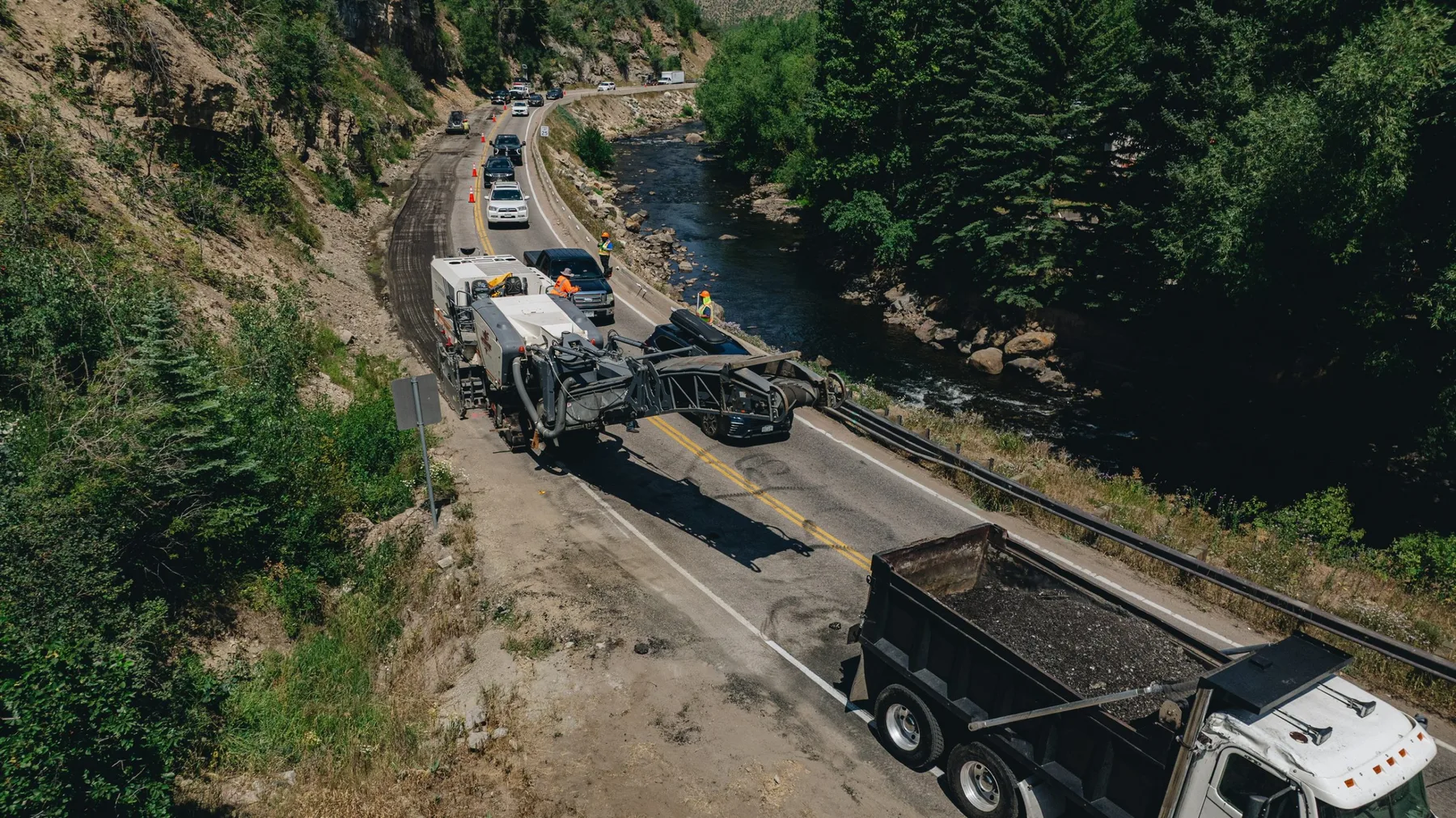
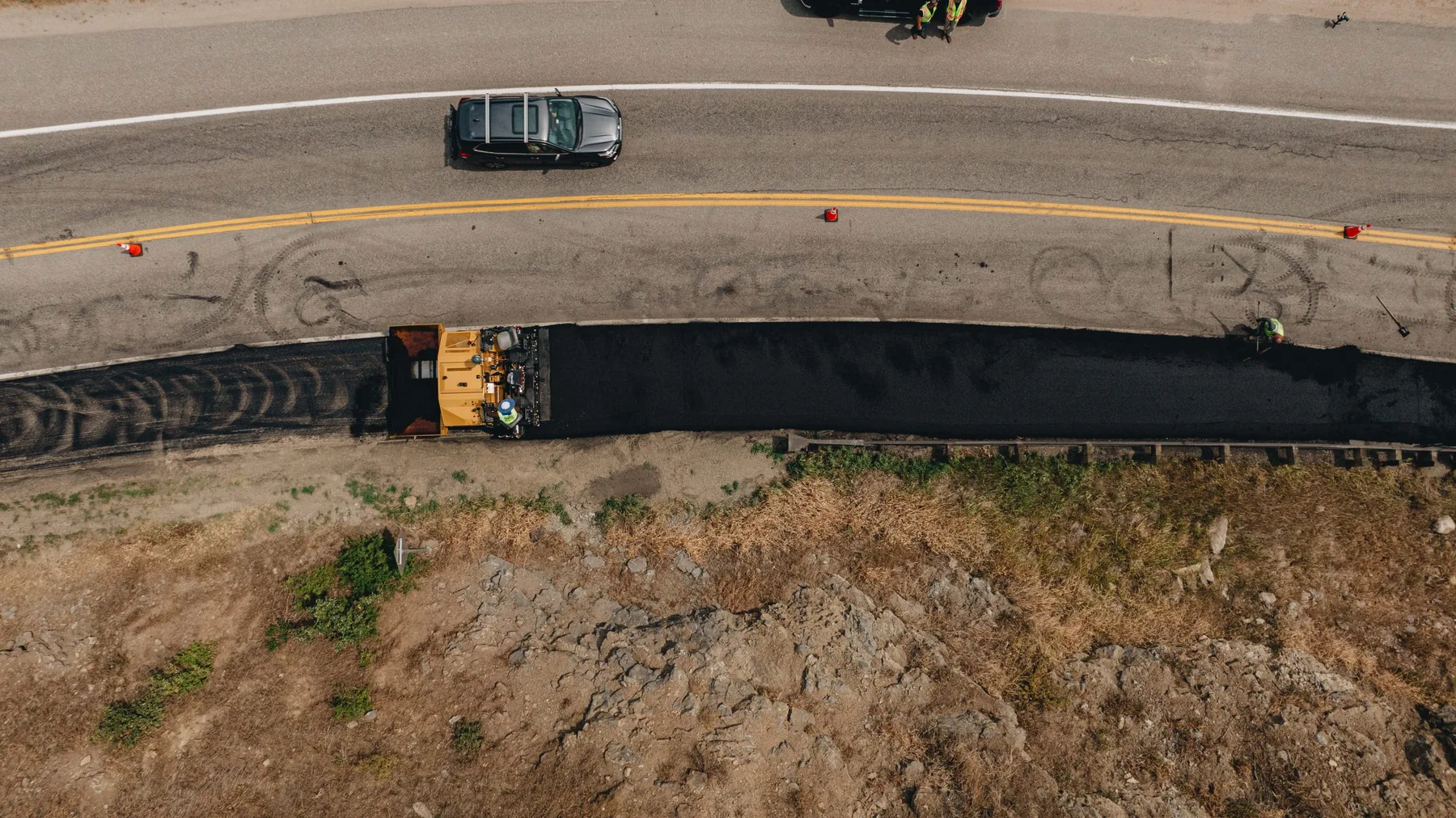
Mountain corridor milling and roadway resurfacing
Two examples of the controlled removal, access planning, and finished roadway work behind a larger rehabilitation scope.
When to call
Watch for these surface signals
- Widespread roadway cracking, potholes, or edge failure
- A worn surface with a serviceable underlying structure
- A new subdivision, access road, or industrial route
- Recurring repair needs that call for a planned program
The work
A controlled process and a clean result
We confirm access, surface conditions, and sequence before the crew starts so the site knows what to expect.
Assess
We review pavement condition, traffic, drainage, access, elevations, and the structure below the road.
Plan
The scope defines preparation, repairs, milling or reconstruction, paving lifts, phasing, and traffic control.
Build
Crews execute the road system in a controlled sequence and coordinate markings, transitions, and reopening.
Common questions
Know before you schedule
01Do you pave municipal and private roads?+
Yes. We evaluate municipal routes, HOA and private-community roads, subdivision streets, industrial access, and other Front Range roadway scopes based on condition, access, procurement, and schedule.
02Can a worn road be resurfaced instead of reconstructed?+
Often, when the supporting structure remains serviceable. Milling and overlay can renew the wearing surface and control elevations, while widespread base failure may require deeper repair or reconstruction.
Start your project
Ready to talk road paving & resurfacing?
Tell us what you’re seeing. We’ll help identify the right next step for your property.