
The commercial decision
What should hoa communities expect from a paving partner?
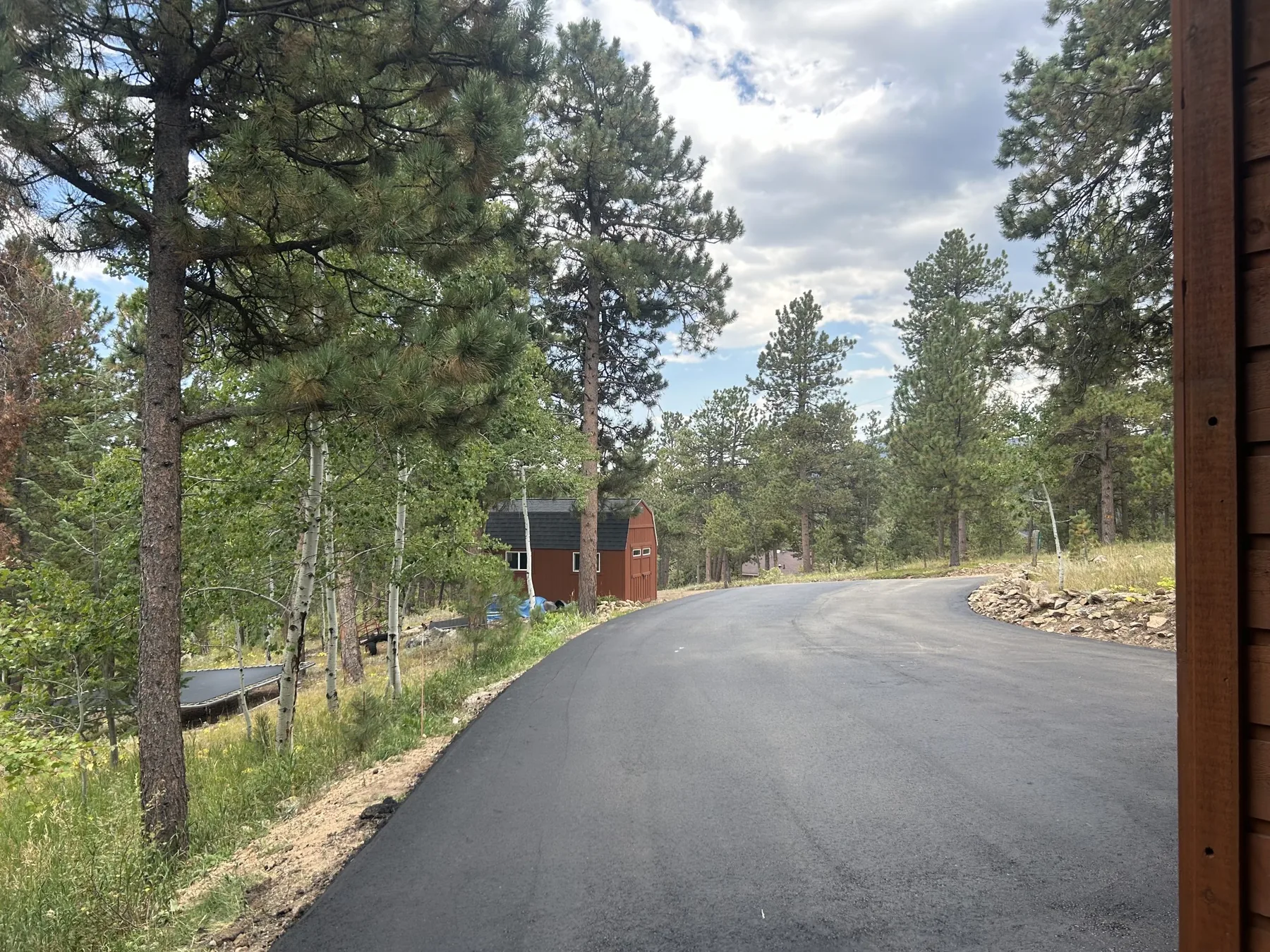
Private roads, shared drives, visitor parking, mail areas, trails, and community facilities do not age at the same rate. Traffic, drainage, shade, snow storage, utility work, and previous patching can create very different conditions within one association.
Boards make better decisions when the site is divided into understandable zones and each zone is matched to a method. Full-depth repair, crack sealing, sealcoat, mill and overlay, reconstruction, concrete work, and striping are not interchangeable line items.
Resident communication also belongs in the plan. Parking restrictions, temporary routing, driveway access, school and work schedules, emergency routes, cure windows, and weather contingencies should be resolved before equipment arrives.
Decision snapshot
What belongs in the first project conversation?
| Decision area | What to establish |
|---|---|
| Board question | What must be fixed now, what can be preserved, and what belongs in reserves |
| Resident question | When will access change and where can vehicles move during each phase |
| Scope comparison | Treatment by area, condition, preparation, thickness, markings, and exclusions |
| Long-term value | A phased plan that reduces emergency decisions without hiding structural failure |
Scope intelligence
Which project priorities prevent an under-scoped bid?
- 01
Reserve-plan alignment
Group immediate safety or access work separately from preservation and future capital replacement. This gives the board a defensible sequence instead of one undifferentiated number.
- 02
Resident access
Map homes, parking bays, mail areas, visitor stalls, gates, emergency routes, and any residents who need special access. A technically correct surface can still become a community problem if phasing is vague.
- 03
Comparable proposals
Ask every bidder to state preparation, repair limits, material scope, transitions, striping, traffic control, cleanup, and exclusions. Different totals often describe different projects.
- 04
Drainage and edge conditions
Standing water, snow storage, shoulder loss, irrigation, curb transitions, and utility cuts can drive failure. Covering those symptoms without addressing the cause shortens the value of the work.
- 05
Decision communication
Use photos, zones, and plain-language treatment explanations so board members and residents can understand why one area is repaired while another is resurfaced or preserved.
Condition before treatment
Which commercial pavement scope fits each kind of need?
| Scope | Best fit | Decision value |
|---|---|---|
| Private-road paving | Worn community roads, shared drives, and common access | Builds or renews a traffic surface with grading, base, transitions, and drainage considered as one system. |
| Mill and overlay | Widespread surface wear with suitable underlying support | Removes a controlled depth and restores the surface without automatically rebuilding every layer. |
| Full-depth patching | Localized potholes, settlement, cracking, and failed utility areas | Repairs structurally failed zones before preservation or resurfacing is considered. |
| Crack sealing and sealcoat | Structurally sound pavement ready for preservation | Limits water entry and refreshes a suitable surface, but does not repair a failed base. |
| Community striping | Visitor parking, fire lanes, traffic markings, and shared facilities | Clarifies parking and circulation after paving or maintenance work is complete. |
From site to handoff
How does the commercial planning process stay useful?
- 01
Build the community map
Identify roads, drives, parking areas, gates, mail zones, common facilities, drainage concerns, school-bus patterns, refuse routes, and resident access constraints.
- 02
Classify condition by zone
Document visible failure and separate localized structural repair from surface preservation, resurfacing, and full replacement needs.
- 03
Create board-ready alternatives
Show what is urgent, what can be phased, and what changes between a repair-focused plan and a larger capital plan. State assumptions so proposals can be compared.
- 04
Plan resident communication
Confirm phase maps, parking restrictions, dates, weather contingencies, driveway access, emergency routing, and the person responsible for community updates.
- 05
Record the next checkpoint
Keep the completed scope, photos, and future priorities with the reserve-planning record so the next board starts with evidence instead of reconstructing the history.
Proof before proposal
What should the decision record contain?
MD Asphalt's first-party planning model reviews condition, drainage and adjoining surfaces, traffic and load, access, phasing, and the finish sequence. That six-part review creates a repeatable way to compare urgent repair, preservation, resurfacing, and replacement without forcing every site into the same recommendation.
This is a decision model, not a remote engineering conclusion. Final recommendations depend on the field condition, project documents, property use, and the information available during the site review.
- Experience with private roads, common parking, and occupied community access
- A scope that separates structural repair from cosmetic surface treatment
- Phase and resident-access assumptions explained before scheduling
- Photos and area descriptions that a board can use during review
- Licensed and insured documentation available for management and board files
Buyer-specific answers
What should hoa communities clarify before requesting a bid?
01Can you provide a proposal an HOA board can compare?+
Yes. The useful comparison starts with clear areas, methods, preparation, assumptions, exclusions, and access requirements. If the board has a preferred bid form or reserve-study categories, send them before the site review.
02Can the work be phased so residents keep access?+
Many HOA projects can be divided into phases, but the plan depends on roadway geometry, available alternate parking, emergency routes, material placement, cure windows, and striping. Access needs should be mapped before scheduling.
03How do we choose between repair and resurfacing?+
Repair targets failed sections. Resurfacing is considered when broad surface wear exists and the underlying structure remains suitable. A site review should separate those conditions rather than choosing by appearance alone.
04What should an HOA send before requesting a bid?+
Send community maps if available, addresses, reserve-study notes, photos, known drainage or utility issues, board deadlines, preferred work windows, parking constraints, and any management-company procurement requirements.