
The commercial decision
What should general contractors expect from a paving partner?
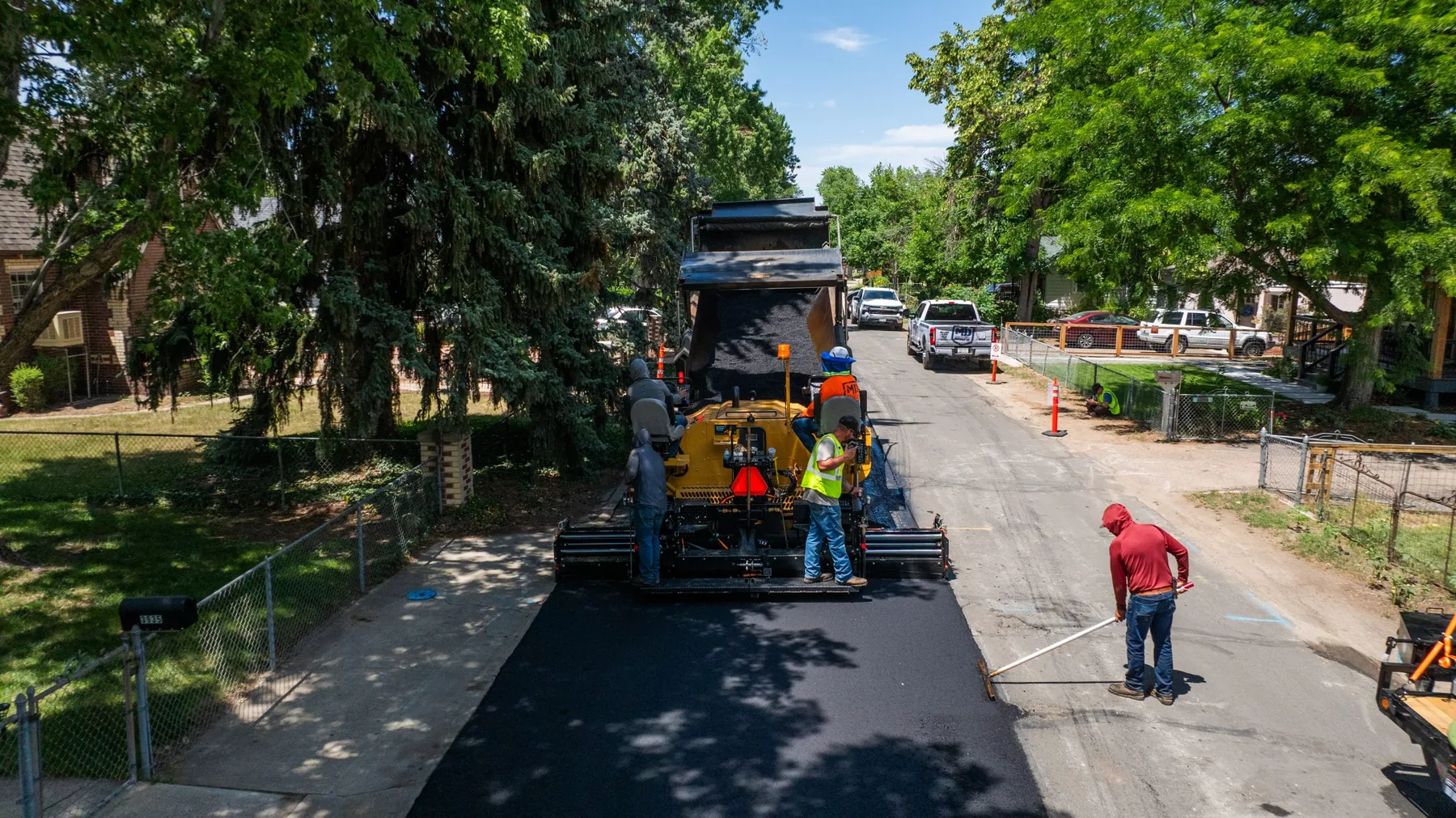
Ground-up and reconstruction projects involve overlapping responsibilities. Earthwork, utilities, drainage, curb and gutter, walks, asphalt base, paving, markings, signage, landscaping, and owner turnover can all affect the paving package.
The strongest subcontract scope does not leave interfaces implicit. It states subgrade or aggregate readiness, survey and layout responsibility, elevations, tack and lifts, testing or inspection expectations, access for equipment, haul routes, traffic control, and the areas included.
MD Asphalt Company can coordinate asphalt and concrete scopes with the general contractor's look-ahead schedule. Bid invitations should include current plans, specifications, addenda, alternates, anticipated quantities, site logistics, procurement requirements, and the date the work area will actually be ready.
Decision snapshot
What belongs in the first project conversation?
| Decision area | What to establish |
|---|---|
| Best bid package | Current plans, specifications, addenda, quantities, alternates, and site logistics |
| Critical interface | Subgrade, utilities, drainage, curb, structures, paving, striping, and turnover |
| Schedule trigger | Confirmed site readiness and equipment access, not only a target paving date |
| Change control | Written scope assumptions, responsibility boundaries, and remobilization impacts |
Scope intelligence
Which project priorities prevent an under-scoped bid?
- 01
Site-readiness definition
Confirm who owns subgrade, aggregate, compaction, testing, survey, layout, fine grading, proof roll, drainage structures, and acceptance before the paving crew mobilizes.
- 02
Trade interfaces
Coordinate curb and gutter, sidewalks, building entries, loading docks, utility structures, landscaping edges, signs, and striping so elevations and sequence remain buildable.
- 03
Current documents
Price the latest plans, specifications, addenda, alternates, phasing notes, and quantities. A clean revision chain prevents an outdated surface plan from driving procurement.
- 04
Look-ahead communication
Share schedule changes early enough to protect production, crew, haul, and material coordination. A target date without confirmed readiness increases remobilization risk.
- 05
Closeout sequence
Plan final lift, punch repairs, striping, stops, signage interfaces, cleaning, owner walks, and turnover instead of treating paving as complete when the last truck leaves.
Condition before treatment
Which commercial pavement scope fits each kind of need?
| Scope | Best fit | Decision value |
|---|---|---|
| New construction paving | Ground-up commercial, institutional, industrial, and site-development work | Coordinates base readiness, asphalt lifts, elevations, drainage, concrete interfaces, and schedule milestones. |
| Milling and rehabilitation | Renovation, redevelopment, tie-ins, and occupied-site improvements | Controls surface removal and transitions before new asphalt is placed. |
| Concrete flatwork | Curbs, gutters, walks, pads, slabs, and asphalt transitions | Keeps adjoining surface scope coordinated when one subcontract package is more efficient. |
| Patching and tie-ins | Utility work, phased construction, repairs, and existing-pavement connections | Restores localized areas and creates controlled interfaces with the surrounding surface. |
| Striping and wheel stops | Final layouts, traffic markings, stencils, and parking controls | Completes the traffic plan after surface and cure requirements are satisfied. |
From site to handoff
How does the commercial planning process stay useful?
- 01
Review the bid package
Confirm drawings, specifications, addenda, bid form, alternates, quantities, insurance, schedule, site logistics, and the exact limits of asphalt and concrete responsibility.
- 02
Resolve constructability
Identify grade, drainage, utility, curb, building-entry, equipment-access, haul-route, and phasing questions before they become field conflicts.
- 03
Tie scope to readiness
Define the conditions required for mobilization and the communication path for acceptance, schedule shifts, weather decisions, and changed quantities.
- 04
Execute within the site plan
Coordinate deliveries, equipment, work zones, other trades, inspections, and temporary access while maintaining the agreed production sequence.
- 05
Finish for turnover
Complete tie-ins, punch work, striping or stop coordination, cleanup, requested documentation, and the handoff to the general contractor and owner.
Proof before proposal
What should the decision record contain?
MD Asphalt's first-party planning model reviews condition, drainage and adjoining surfaces, traffic and load, access, phasing, and the finish sequence. That six-part review creates a repeatable way to compare urgent repair, preservation, resurfacing, and replacement without forcing every site into the same recommendation.
This is a decision model, not a remote engineering conclusion. Final recommendations depend on the field condition, project documents, property use, and the information available during the site review.
- Current-plan and addendum acknowledgement in the pricing conversation
- Clear responsibility boundaries for grading, testing, layout, and surface work
- Commercial paving, milling, concrete, repair, and striping capability
- A direct project contact for look-ahead and field coordination
- Licensed and insured documentation available for prequalification review
Buyer-specific answers
What should general contractors clarify before requesting a bid?
01What should a general contractor include in a paving bid invitation?+
Include current civil and architectural plans, specifications, addenda, bid form, alternates, quantities, phasing, site logistics, insurance requirements, work-hour limits, target dates, and the responsibilities assigned to earthwork, concrete, testing, survey, and striping.
02Can MD Asphalt coordinate asphalt and concrete scopes?+
Yes. The bid should identify the exact concrete items and interfaces, including curbs, gutters, walks, pads, slabs, entries, and drainage transitions. Coordinated scope is most useful when elevations and sequence are shared.
03How should site readiness be confirmed?+
The parties should agree on subgrade or aggregate condition, compaction and testing, grades, drainage structures, utility adjustments, curb completion, access for equipment, and who accepts the area before paving mobilization.
04Do you provide procurement and insurance documentation?+
MD Asphalt Company is licensed and insured. Send project-specific prequalification forms, insurance limits, contract exhibits, and submission deadlines so the required documentation can be reviewed for the bid.